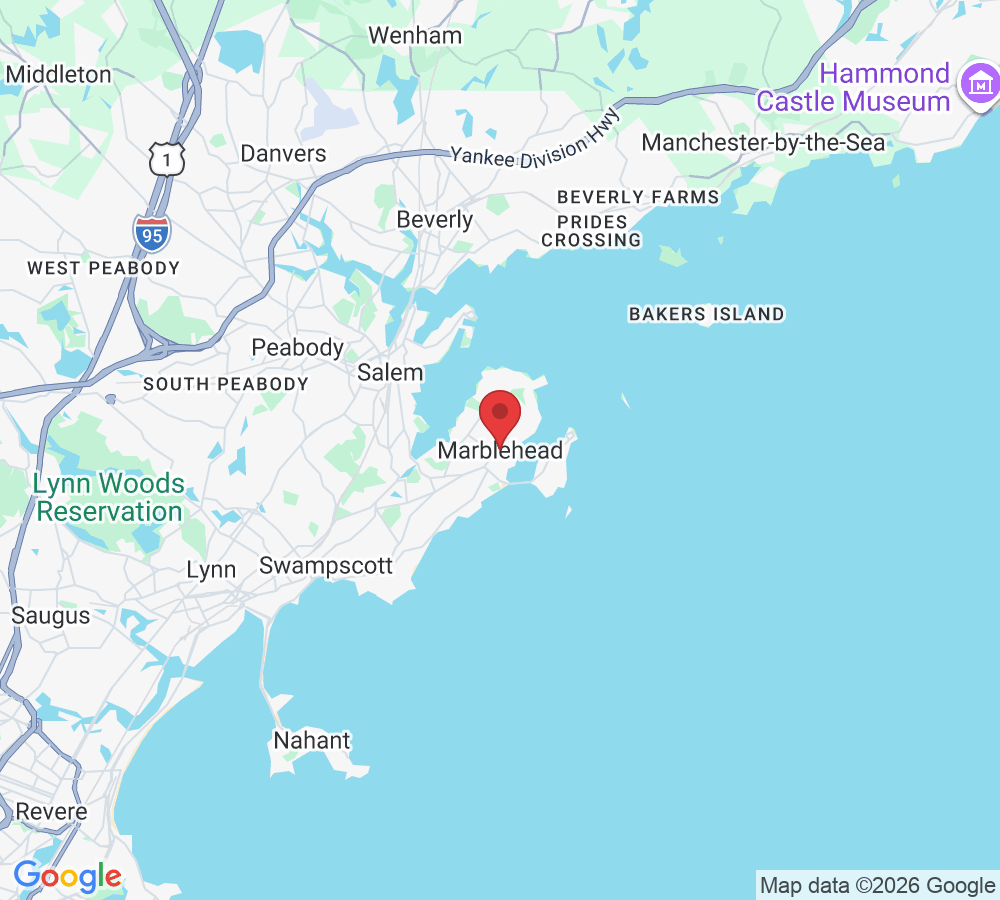
Lynn Property Renovations Start With Asbestos Removal
Lynn's Industrial-Era Housing and Asbestos Presence
Properties throughout Lynn reflect a construction history rooted in the city's industrial and manufacturing past — older triple-deckers, brick multi-families, and commercial buildings constructed primarily between the 1900s and 1950s when asbestos use across all building material categories was standard practice. Floor tile systems from this era, particularly in kitchens, bathrooms, and common areas, frequently contain asbestos in both the tile itself and the adhesive mastic used for installation. Pipe insulation on steam distribution systems — the heating standard in Lynn's older multi-family housing — wraps boiler rooms, steam mains, and riser systems with asbestos-containing materials that were reliable insulators but are now a regulated abatement requirement when those systems are upgraded or replaced. Renovation activity in Lynn's housing stock — driven by property sales, unit upgrades, heating system replacements, and kitchen and bathroom renovations — regularly surfaces these materials in buildings where no asbestos survey was conducted before work began. When asbestos is discovered during active demolition, the project stops, the regulatory process begins under emergency conditions, and the property owner faces costs and timeline disruptions that a pre-renovation inspection would have avoided entirely. Massachusetts law requires that asbestos abatement above threshold quantities be managed by licensed contractors following MassDEP notification requirements. Understanding what materials are present in a Lynn property before renovation begins is both a regulatory requirement and a practical necessity for any project that will disturb pre-1980 construction.
What Drives Asbestos Abatement Demand in Lynn Properties
The density of pre-1950 housing in Lynn creates a consistent pattern of asbestos material presence that experienced abatement teams recognize across property types. Triple-deckers and brick multi-families from the 1910s through the 1940s share a material signature: asbestos pipe insulation in basement mechanical rooms and riser chases, vinyl asbestos tile in residential units and common areas, asbestos cement siding on wood-frame two-families from the 1940s and 1950s, and in many properties original plaster systems that may contain asbestos in the base coat formulation. The practical challenge for Lynn property owners is that none of these materials are visually distinguishable from their non-asbestos counterparts without laboratory analysis. A tile that looks like ordinary vinyl flooring, pipe insulation that appears similar to standard wrap, or siding that resembles any other fiber cement panel may or may not contain asbestos — and the only way to know is to sample and test. Our licensed team provides pre-renovation inspection services throughout Lynn, identifying the specific materials within the renovation scope, collecting samples for laboratory confirmation, and delivering a written report that drives the abatement plan and MassDEP notification process. Property owners who complete this step before starting renovation work avoid the regulatory and financial consequences of discovering asbestos mid-project. The sooner that inspection happens in the project timeline, the less disruption abatement requirements create for every contractor involved.
Residential Asbestos Abatement for Lynn Triple-Deckers
Lynn's triple-deckers and older multi-family residential buildings carry asbestos-containing materials across flooring, pipe systems, exterior envelopes, and wall systems — the characteristic material profile of housing built between 1900 and 1960 in Massachusetts industrial cities. Residential abatement in these properties requires a systematic survey to identify all regulated materials before any demolition begins. Our licensed team conducts pre-renovation inspections throughout Lynn, sampling suspected materials, confirming asbestos content through laboratory analysis, and scoping the abatement work based on what is found rather than what is assumed. Every qualifying project includes MassDEP 10-day notification handling, proper containment during abatement, licensed waste disposal, and post-abatement air clearance testing. Full closeout documentation is delivered at project completion, giving the property owner a permanent record of what was removed, how it was managed, and what the air clearance results confirmed. Lynn landlords navigating renovation programs across multiple units benefit from a consistent abatement team that understands the local housing stock, the regulatory process, and the practical challenges of working in occupied multi-family buildings. Asbestos is found in some form in the vast majority of Lynn properties built before 1965 — the question is which materials, in what quantities, and what the abatement scope looks like for the specific renovation being planned. A thorough pre-renovation inspection answers those questions before demolition begins, making the rest of the project predictable for all contractors involved.
Pipe Insulation and Heating System Abatement in Lynn
Steam heat systems in Lynn's older multi-family housing stock represent one of the most consistent sources of asbestos pipe insulation in the Greater Boston region. Buildings from the 1920s through the 1950s that use steam or early hot-water heating systems typically carry asbestos-containing insulation on the boiler jacket, steam mains in the basement, branch line connections, and riser pipes throughout the building. When these systems are repaired, upgraded, or replaced — as they routinely are in Lynn's aging housing stock — the pipe wrap must be abated before any plumbing or HVAC contractor can work in the same space. Our licensed team handles pipe insulation abatement in Lynn residential and commercial properties, managing the full process from initial inspection and MassDEP notification through containment, licensed removal, waste disposal, and air clearance testing. We coordinate directly with plumbers and HVAC contractors to sequence the abatement and installation phases efficiently, ensuring pipe wrap is removed and the area passes air clearance before the next trade enters the mechanical space. Lynn properties with steam heat systems built before 1960 should always be inspected for asbestos pipe insulation before any boiler work begins — the inspection is straightforward, the cost is small relative to the overall project, and it prevents the mid-project shutdowns and regulatory complications that arise when asbestos is discovered after mechanical work is already underway.
Emergency Asbestos Response Serving Lynn
Emergency asbestos situations in Lynn typically follow predictable patterns: pipe bursts in basement mechanical rooms disturb asbestos insulation; flood events saturate asbestos-containing ceiling and floor materials; contractors beginning renovation work encounter unexpected asbestos-containing materials after demolition is already underway. Each scenario requires immediate assessment and fast licensed response to contain the disturbance, protect building occupants from fiber exposure, and satisfy the regulatory obligations that apply even under emergency conditions. Massachusetts 454 CMR 22.00 includes emergency provisions that allow for reduced notification timeframes when there is an immediate threat to occupants or building systems, but the regulatory process still applies — licensed abatement is required, and documentation of the emergency response is part of the compliance record. Our team responds to emergency asbestos situations in Lynn with the same licensed, documented approach that applies to planned projects, because the regulatory obligations and health risks do not change based on how the disturbance occurred. When asbestos is unexpectedly disturbed in a Lynn property, the right response is immediate containment of the affected area, exclusion of non-essential personnel, and contact with a licensed abatement contractor to assess the scope and begin the response. We handle both the technical abatement and the regulatory documentation so property owners are protected from the moment the emergency is identified.
Somerville's Local Asbestos Removal Experts
Proudly serving Somerville, Cambridge, Everett, Chelsea, Lynn and Quincy for 9+ years.
Comprehensive Asbestos Removal Services in Somerville
Tailored to Your Needs
From residential abatement in Somerville's triple-deckers to commercial projects in active renovation corridors, we handle every scope of licensed asbestos abatement and testing in this market. Each service is backed by full MassDEP compliance documentation and professional air clearance testing.
Full-service residential asbestos abatement for Somerville triple-deckers, two-families, and single-family homes — licensed, documented, and MassDEP-compliant from start to finish.
Professional asbestos testing and inspection in Somerville MA — we identify asbestos-containing materials before renovation and deliver a full written report for MassDEP compliance.
Licensed commercial asbestos abatement for Somerville businesses, office buildings, retail spaces, and redevelopment projects — full MassDEP notification and project documentation included.
Safe asbestos cement siding removal from Somerville homes and multi-family properties — identified, contained, removed, and properly disposed of by licensed MassDEP contractors.
Licensed asbestos floor tile and mastic removal in Somerville MA — we handle kitchen, bathroom, and basement flooring renovation safely and in full MassDEP compliance.
Licensed asbestos pipe wrap and insulation removal for Somerville triple-deckers and multi-family heating systems — steam pipes, boiler rooms, and mechanical chases safely abated and documented.
Licensed vermiculite insulation removal from Somerville attics — we test for asbestos contamination and safely remove potentially hazardous Zonolite with full MassDEP-compliant procedures.
Licensed asbestos encapsulation in Somerville MA for property owners managing ACM in place — a compliant alternative to full removal when materials are intact and undisturbed.
Independent air clearance testing after asbestos abatement in Somerville MA — we verify that fiber levels are safe and provide the MassDEP closeout documentation your project requires.
Fast-response emergency asbestos removal in Somerville MA for pipe bursts, flood damage, and unplanned ACM disturbance — licensed response to protect occupants and comply with MassDEP requirements.
Frequently Asked Questions
Asbestos Removal can be complex, and we’re here to provide answers to common questions. Here are some frequently asked questions from our clients.
Frequently Asked Questions about Asbestos Removal Somerville MA
What types of asbestos-containing materials are common in Somerville homes?
Somerville's pre-1920 triple-deckers commonly contain asbestos in floor tiles, pipe insulation, plaster, roofing materials, and asbestos cement siding. Pre-1978 homes may also have it in joint compound and textured coatings. A professional inspection before any renovation is the safest approach.
What is the MassDEP 10-day notification requirement for asbestos abatement in Massachusetts?
Massachusetts requires contractors to submit a 10-day notification to MassDEP before most abatement projects begin. This applies to renovation projects that disturb asbestos-containing materials above threshold quantities. We handle this notification process on behalf of our clients as part of every qualifying project.
Is asbestos in my home dangerous if it hasn't been disturbed?
Asbestos-containing materials in good condition that are not being disturbed generally do not release fibers. The risk increases significantly when materials are cut, drilled, broken, or renovated. If you're planning any renovation in a Somerville home built before 1980, testing before demolition is strongly recommended.
How long does a residential asbestos abatement project take in Somerville?
Most residential abatement projects in Somerville take one to three days depending on scope. A single-room floor tile removal might be completed in a day. A larger project involving pipe insulation across a triple-decker may take two to three days plus time for post-abatement air clearance testing.
Do I need a licensed contractor to remove asbestos in Massachusetts?
Yes. Massachusetts law under 454 CMR 22.00 requires that asbestos abatement above certain thresholds be performed by a licensed contractor. All workers must hold a current DLS asbestos abatement license. Hiring an unlicensed contractor can result in regulatory violations and liability for the property owner.
What happens after asbestos is removed from a Somerville property?
After abatement is complete, an independent air clearance test confirms that fiber levels are below the safe threshold. We then deliver a full closeout documentation package including the disposal manifest and clearance report — required for MassDEP compliance and important for future property transactions.
Still Have Questions About Asbestos Removal Somerville MA?
Speak With a Trusted Asbestos Removal Expert Today.
What Our Satisfied Clients Have to Say About Springfield Environmental Services
We pride ourselves on delivering great results and experiences for each client. Hear directly from home and business owners who’ve trusted us with their Asbestos Removal needs.

We hired them for a full residential abatement on our triple-decker before a major kitchen renovation. They handled the MassDEP notification, managed the containment, and had the air clearance report in our hands within 48 hours of completion. Exactly what we needed.
Maria Torres
I called after a contractor found pipe wrap asbestos during a boiler replacement. The team was on-site within two days, explained the MassDEP process clearly, and had everything properly removed and documented before the plumber came back. Professional start to finish.
James Okafor
As a property manager overseeing six units in Somerville, compliance matters. They helped us navigate landlord obligations under Massachusetts law, handled the full abatement, and provided all the closeout documentation we needed for our records. Highly recommend.
Patricia Nguyen
The Trusted Asbestos Removal Expert Near You
Ready to hear more about expert services at Springfield Environmental Services?
Contact us today to receive a detailed, no-obligation quote.